
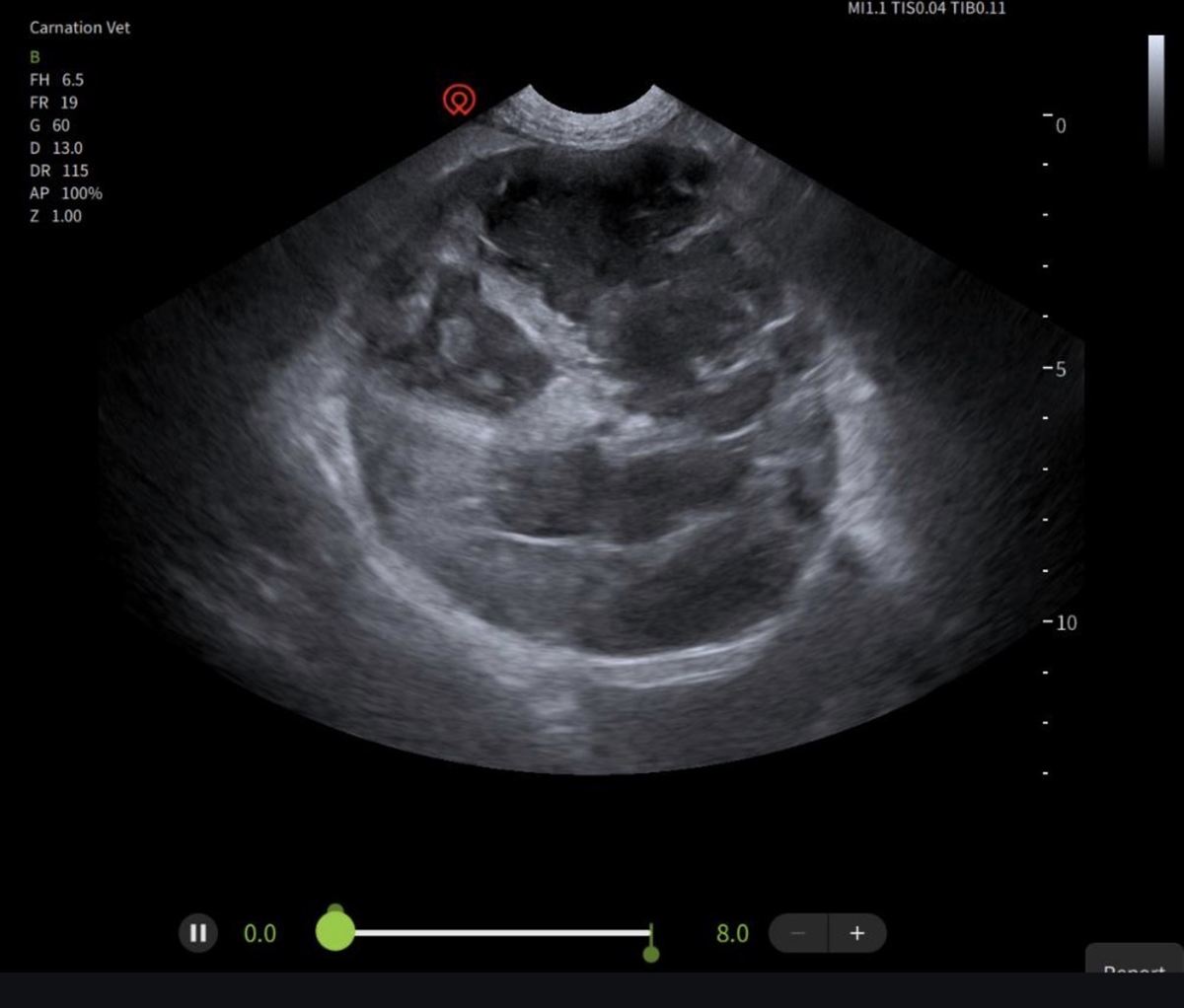
Veterinary Ultrasound
Advanced Imaging. Better Answers. Exceptional Care.
Sometimes, understanding what's happening inside your pet requires a closer look. Ultrasound allows our veterinarians to evaluate internal organs and soft tissues in real time, providing valuable information that may not be visible on traditional X-rays.
At Animal Medical Center, ultrasound is available at all three of our Rogers locations—Midtown, Pinnacle Hills, and New Hope. Our veterinarians are skilled in using ultrasound to investigate illness, guide diagnostic procedures, and make informed treatment decisions.
What Can Ultrasound Tell Us?
Ultrasound uses sound waves to create detailed, real-time images of internal structures. It is a noninvasive diagnostic tool that can help our veterinarians evaluate a variety of conditions, including:
- Liver, gallbladder, and spleen abnormalities: Identifying changes in organ size, structure, and appearance.
- Kidney and urinary bladder conditions: Evaluating the urinary tract for abnormalities, stones, masses, and other concerns.
- Gastrointestinal disease: Investigating vomiting, diarrhea, intestinal abnormalities, and certain foreign bodies.
- Abdominal masses and tumors: Helping identify abnormal growths and determine appropriate next steps.
- Fluid accumulation: Detecting abnormal fluid within the abdomen or other body cavities.
- Reproductive concerns: Evaluating the uterus, pregnancy, and other reproductive structures.
Ultrasound can provide important information on its own or complement other diagnostic tests, including bloodwork and digital radiographs.
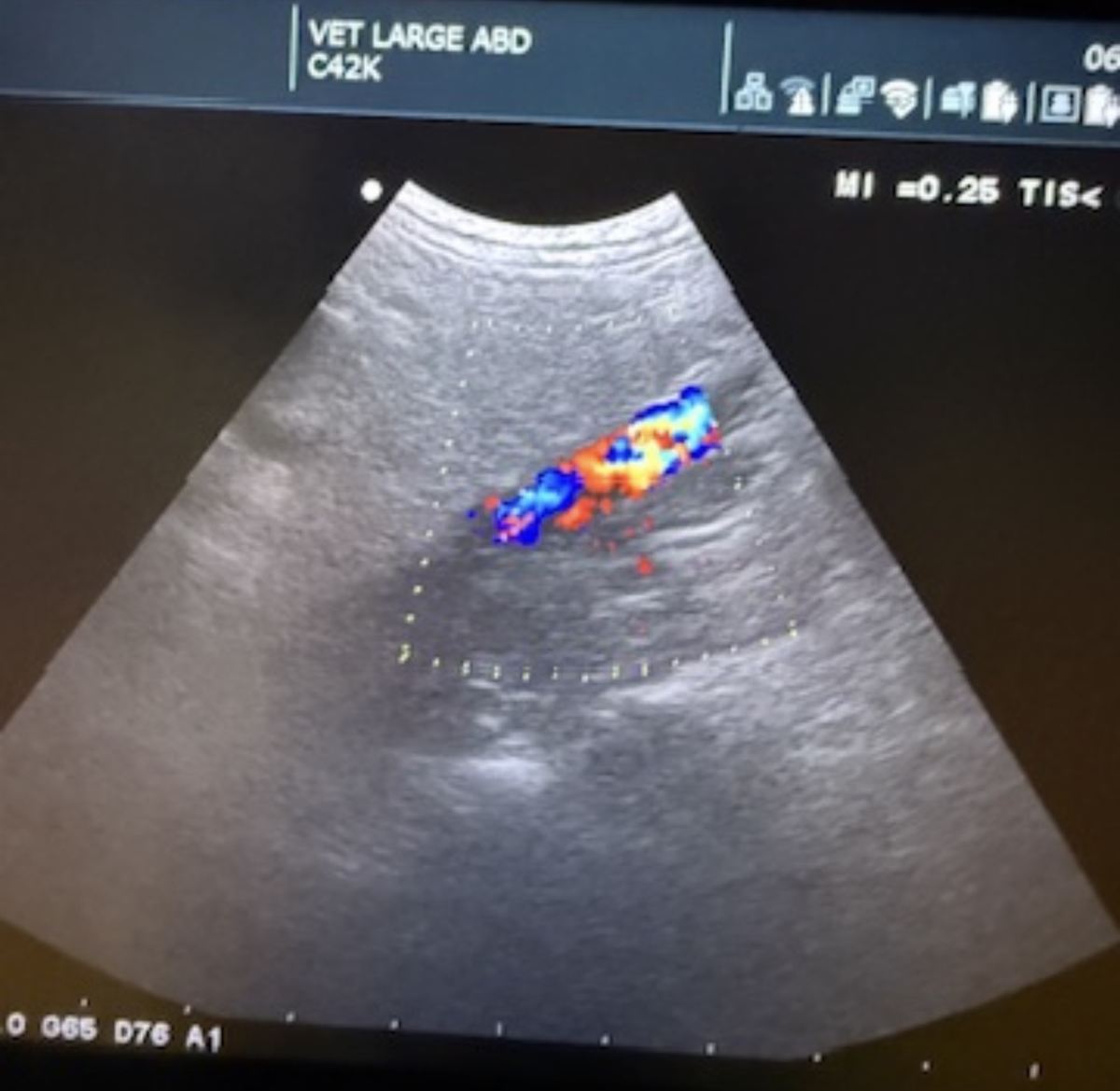
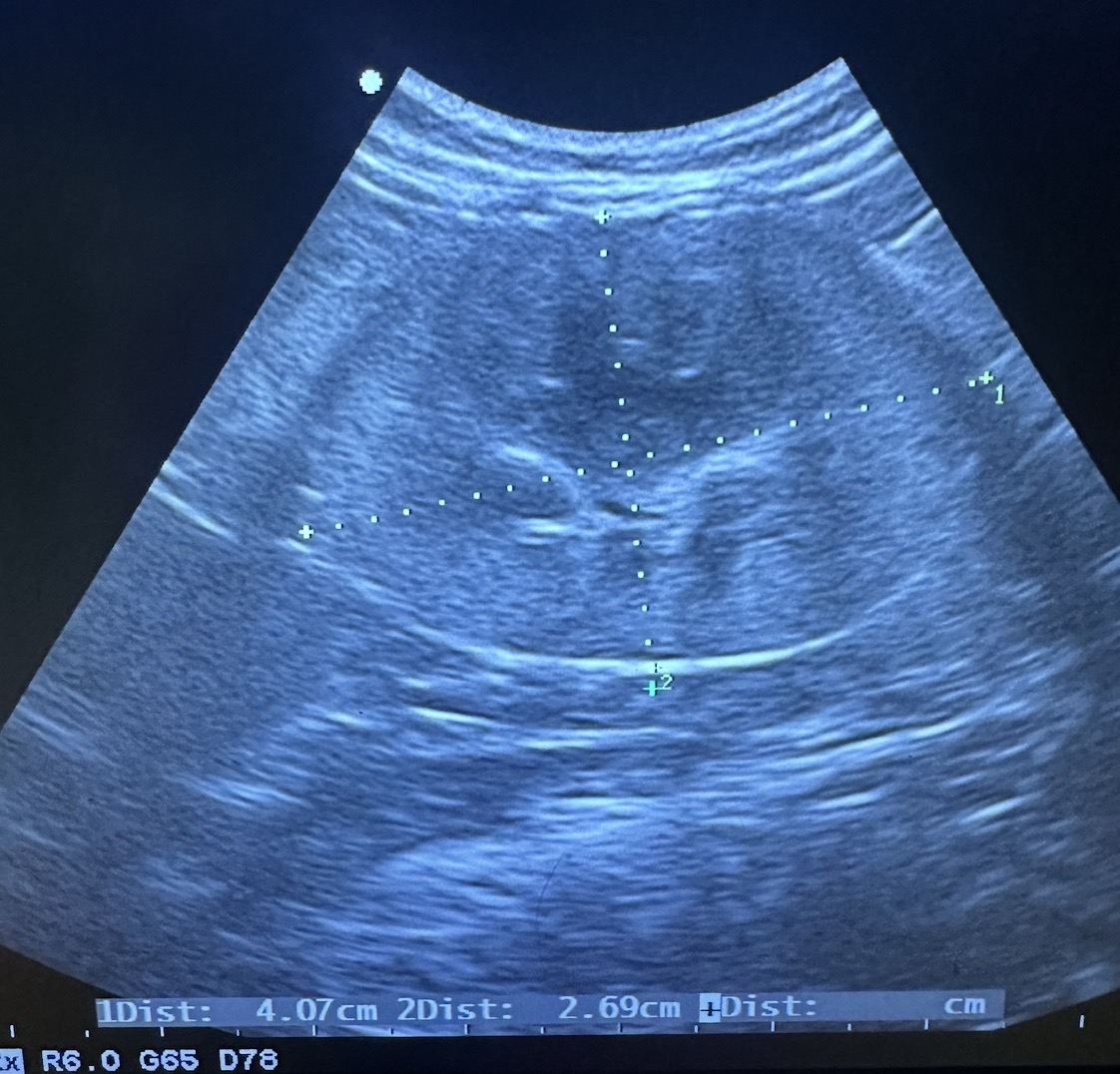
Ultrasound-Guided Diagnostic Procedures
One of the greatest benefits of ultrasound is its ability to help our veterinarians collect diagnostic samples with greater precision.
Using real-time imaging, we can visualize internal structures while guiding a needle toward a specific area of concern.
Depending on your pet's condition, ultrasound-guided procedures may include:
- Fine Needle Aspirates (FNA): Collecting cells from internal organs, masses, or abnormal tissues for microscopic evaluation.
- Cystocentesis: Obtaining a sterile urine sample directly from the urinary bladder.
- Fluid Sampling: Collecting abnormal fluid for diagnostic testing.
- Select Tissue Biopsies: Obtaining tissue samples when appropriate for a more definitive diagnosis.
These techniques can help us obtain valuable diagnostic information while minimizing unnecessary disruption to surrounding tissues.
What to Expect During Your Pet's Ultrasound
Most ultrasound examinations are well tolerated and can be performed without general anesthesia. Depending on the area being examined, a small amount of fur may need to be clipped to obtain clear images.
Some pets may require sedation for comfort, positioning, or certain diagnostic procedures.
Our team will explain the recommended examination and any necessary preparation before your pet's appointment.
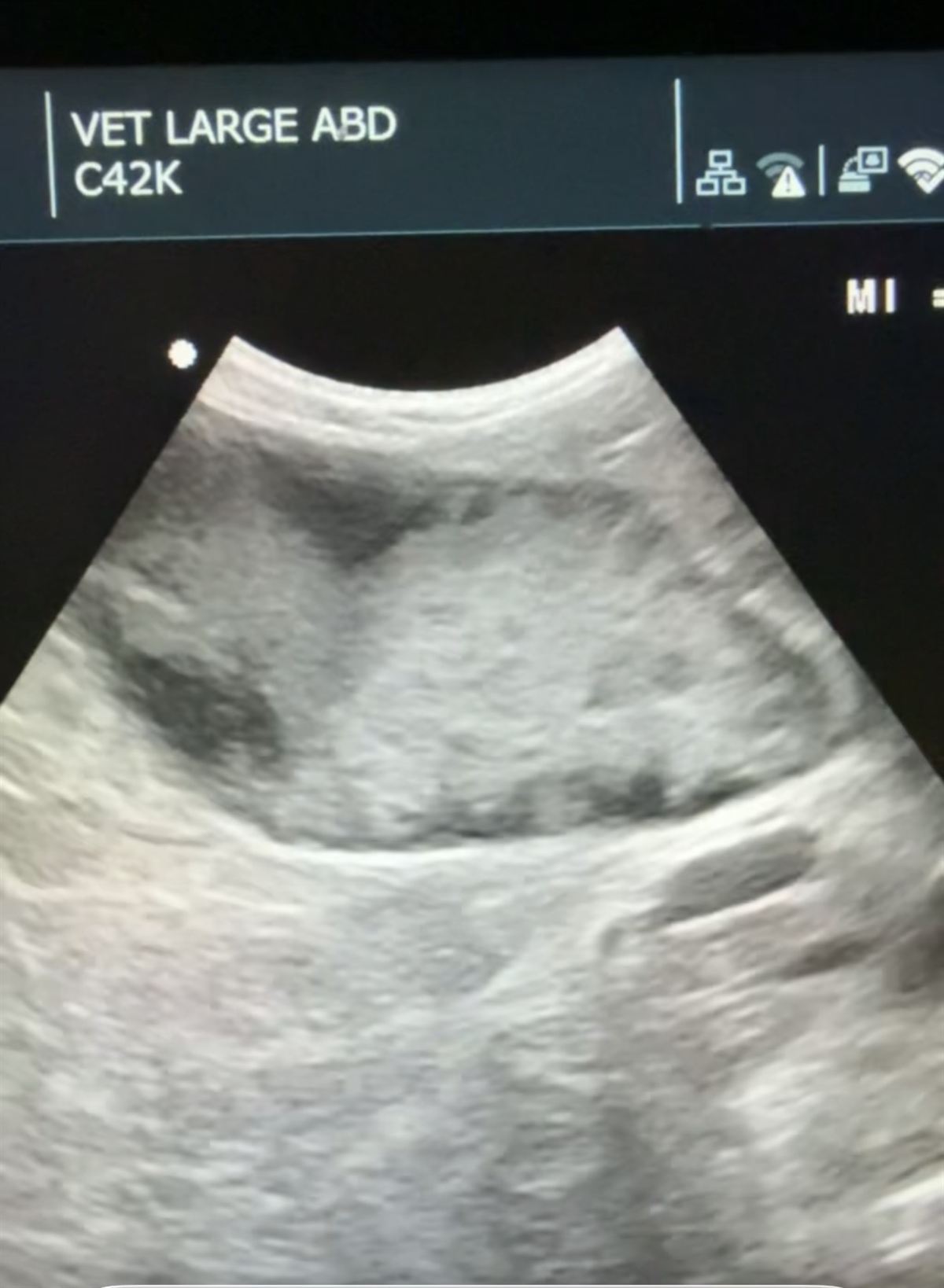
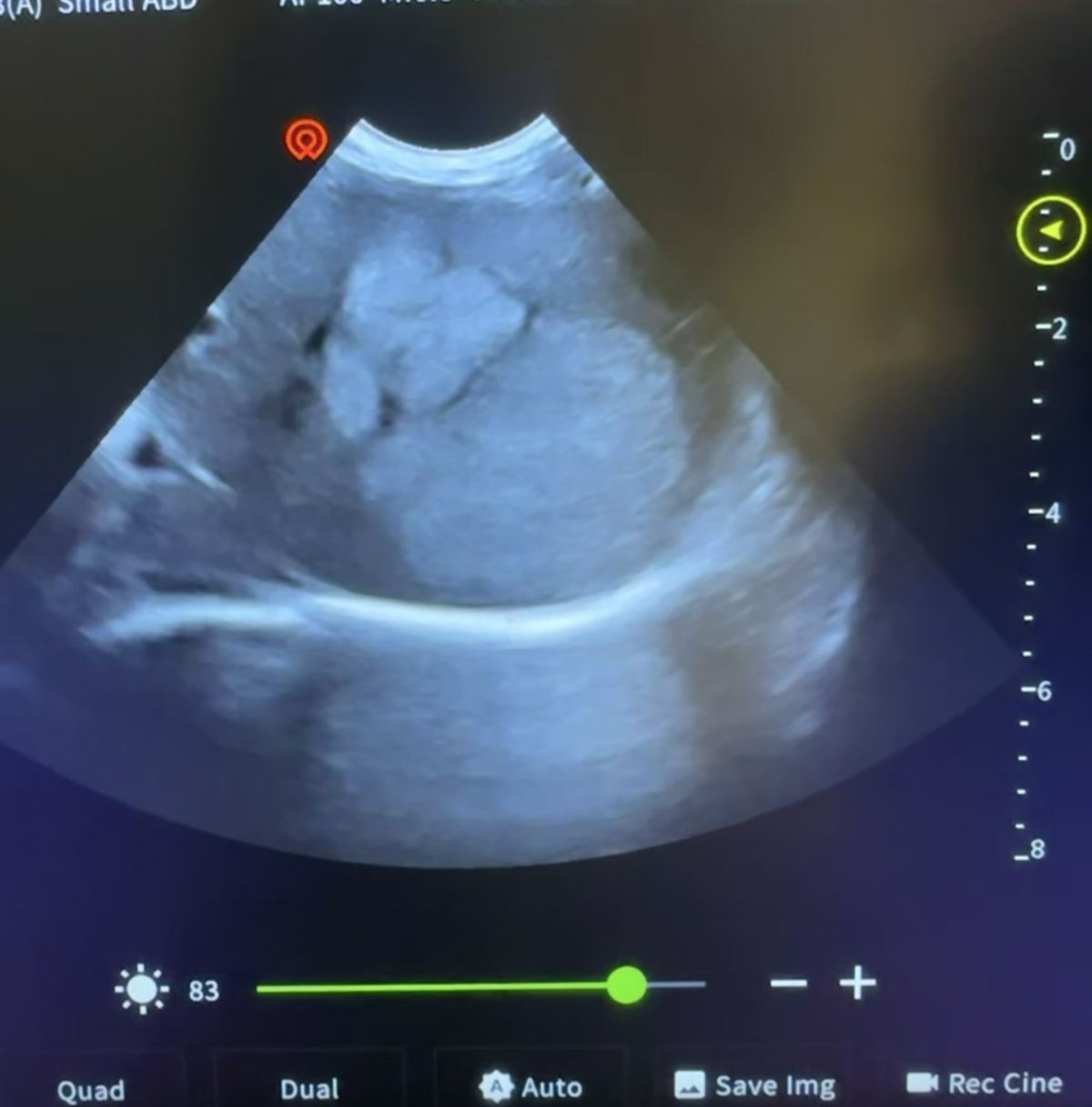
Advanced Diagnostic Care at All Three AMC Locations
Access to ultrasound can make a meaningful difference when your pet is sick, uncomfortable, or experiencing unexplained symptoms.
With skilled veterinarians and ultrasound capabilities at all three locations, Animal Medical Center is proud to offer advanced diagnostic care close to home.
Schedule an Ultrasound Consultation
If your pet needs further diagnostic evaluation, our team is here to help determine whether ultrasound is the right next step.
AMC – Midtown
205 S. 20th Street, Rogers, AR
(479) 631-7744
AMC – Pinnacle Hills
1203 S. 43rd Street, Rogers, AR
(479) 335-1400
AMC – New Hope
103 E. New Hope Road, Rogers, AR
(479) 631-0880
Three locations. One purpose. A lifetime of care.